

Family Travel with Neurodivergent Children: How to Reduce Anxiety and Create a Smoother Trip
Travelling with neurodivergent children can feel overwhelming, especially when so much of the journey involves unpredictability. Bright lights, busy airports, unfamiliar environments and changes to routine can all place extra pressure on a child’s nervous system.
For many families, this can make the idea of going away feel daunting rather than exciting.
But with preparation and the right support in place, travel can become something entirely different. It can be a way to create wonderful memories together in a way that feels safe and manageable.
This isn’t about getting everything perfect. It’s about understanding your child and building a holiday around what helps them feel calm, secure and able to enjoy the experience.
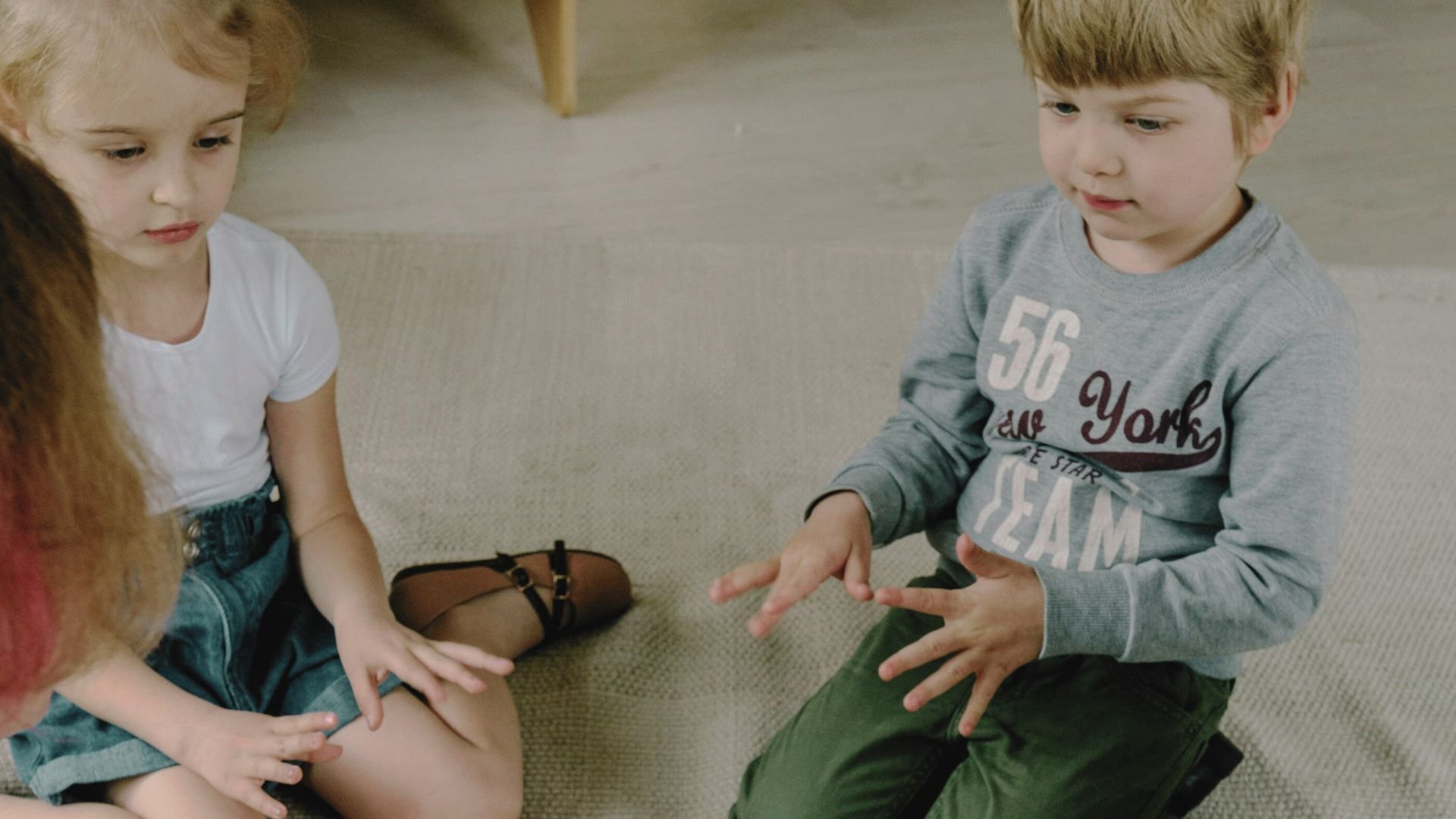
Why predictability matters so much
For many neurodivergent children, predictability creates a sense of safety.
When a child knows what is coming next, their body and mind are often far better able to cope with new or stimulating environments.
Airports, for example, can be particularly intense. The combination of bright lighting, loud announcements, queues and unfamiliar processes can quickly become overwhelming. Without preparation, this can lead to anxiety and dysregulation before the holiday has even begun.
By introducing simple routines and setting clear expectations, you can help reduce that uncertainty.
Even talking through what will happen step by step, from arriving at the airport to boarding the plane, can make a noticeable difference.
It allows your child to mentally rehearse the experience, which often helps them feel more in control.

Using visual tools to build confidence
Visual preparation is one of the most effective ways to help reduce anxiety around travel.
When a child can see what to expect, it becomes easier for them to process and understand the experience ahead.
Simple visual schedules can outline each stage of the journey, from leaving the house to arriving at the destination.
Some families also find it helpful to show photos of the hotel, the room, or even the aeroplane in advance, so the environment feels more familiar when they arrive.
Many airlines, such as TUI, will provide photocards of the airplane and process for you.
Giving your child time to absorb this information gradually rather than all at once can help them feel more prepared and confident as the trip approaches.

Choosing accommodation that truly supports your child
The accommodation you choose can have a huge impact on how your holiday feels on a day to day basis. It’s about how the property functions for your family.
For children with sensory sensitivities, the environment plays a key role.
A hotel that feels calm, spacious and predictable can help your child settle much more quickly, whereas a busy, noisy setting may lead to ongoing overwhelm.
When I plan trips for families, I focus on finding places that offer quieter spaces, flexible layouts and a sense of routine. Rooms located away from high-traffic areas can make a surprising difference, as can access to outdoor space where children can decompress.
Some hotel brands are making encouraging progress in this space.
TUI BLUE has introduced sensory rooms and trained staff at Aura in Ibiza and Nausicaa Beach in Cyprus, with plans to expand further.
In the Caribbean, Beaches Resorts is the first all-inclusive brand to achieve Advanced Certified Autism Center status, offering quiet spaces, sensory-aware programmes and specially trained teams.
Meanwhile, Rixos Hotels is strengthening accessibility across its portfolio through Certified Autism Center™ accreditation, reflecting a clear commitment to supporting guests with autism and sensory sensitivities through thoughtful design and trained staff.
These kinds of environments can help remove a layer of stress from the holiday, allowing both you and your child to relax more fully.
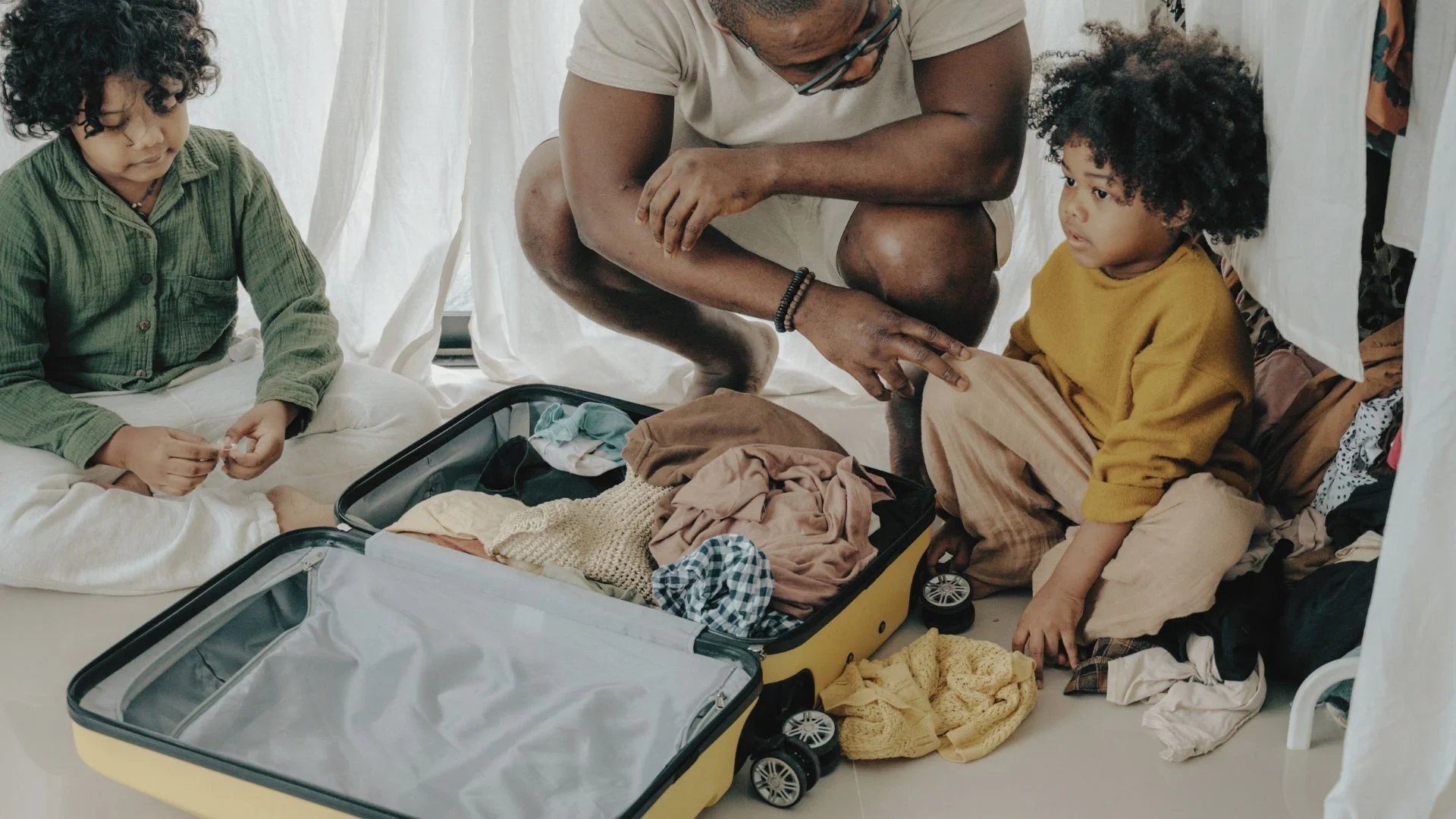
Packing with comfort in mind
Packing for a neurodivergent child often goes beyond the usual holiday essentials.
Familiarity can be incredibly grounding, especially in new environments where everything else feels different.
Bringing items from home, such as a favourite pillowcase, blanket or specific snacks can provide a sense of continuity and reassurance.
These small touches can help your child settle more easily, particularly at bedtime.
Many families also find it helpful to create a small “sensory kit” to use throughout the journey. This might include noise-cancelling headphones, fidget toys, sunglasses or anything else that helps regulate sensory input.
Having these items easily accessible can make transitions, waiting times and busy environments feel far more manageable.
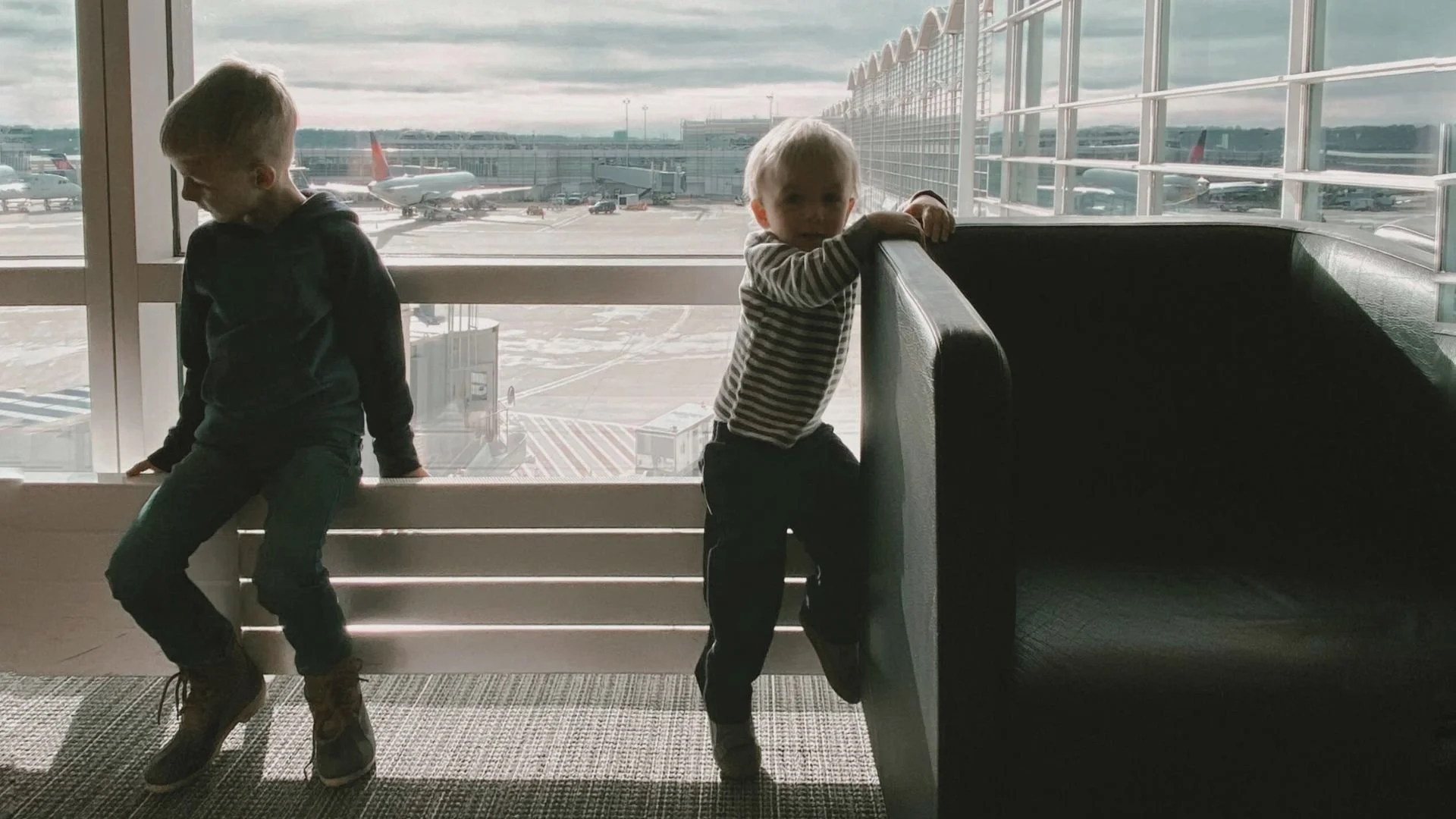
Making airports feel more manageable
Airports are often the most challenging part of any trip, but there’s more support available than many families realise.
Across the UK, airports are becoming increasingly aware of the need to support neurodivergent travellers. Many now offer sensory or quiet rooms where families can take a break from the main terminal, as well as assistance services to help navigate security and boarding.
For example, Heathrow Airport provides a sensory room, trained staff and additional support for families who request it in advance. Gatwick Airport and Bristol Airport also offer dedicated spaces designed to reduce overwhelm.
Allowing extra time at the airport and making use of these services can significantly reduce pressure, creating a calmer start to your journey.
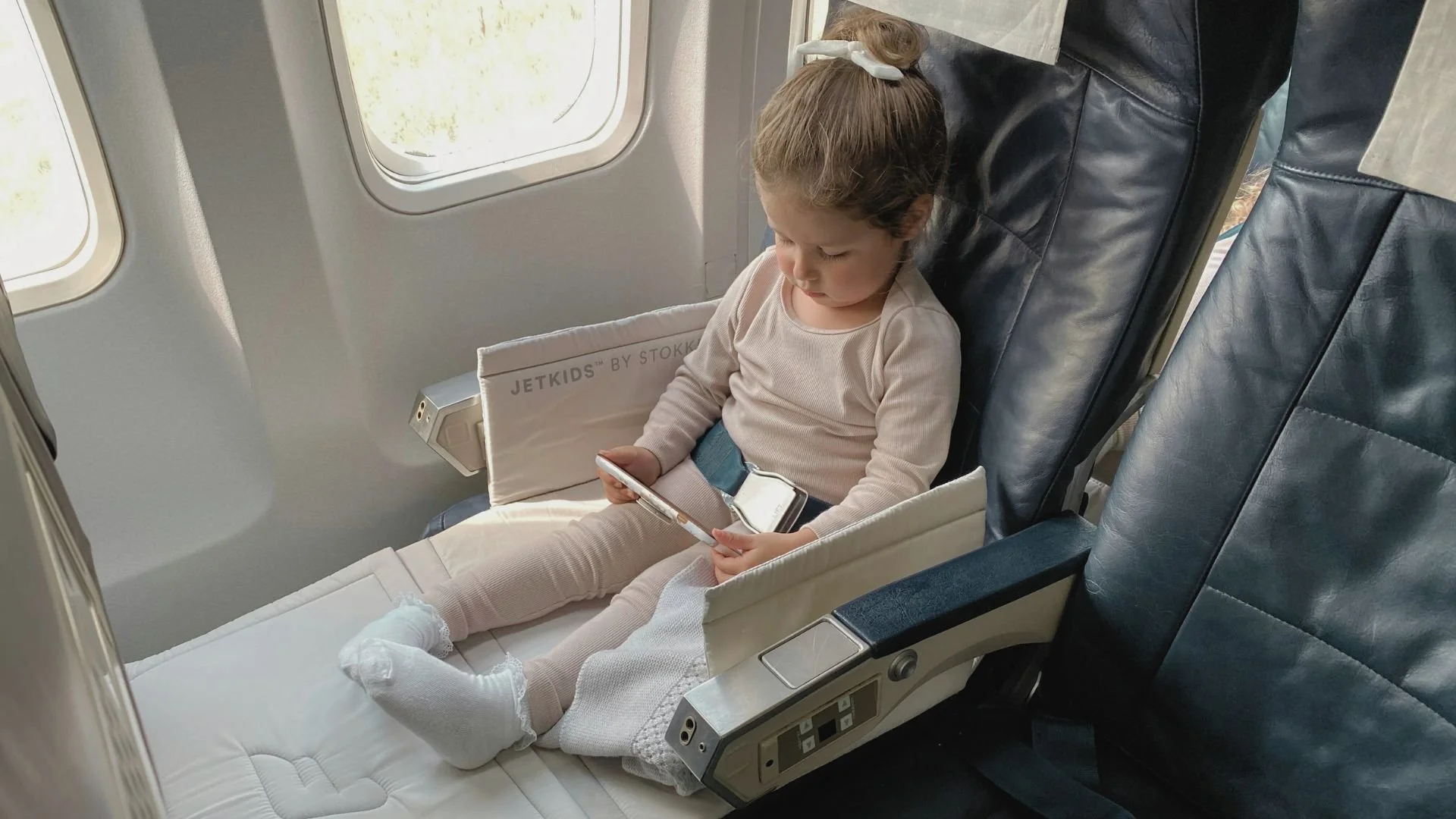
Preparing for the flight experience
The flight itself can feel like a big unknown, but gentle preparation can help make it more predictable.
Talking through the journey in advance explaining what take-off might feel like, how long the flight will be, and what will happen when you land can help reduce uncertainty. Visual aids can be particularly useful here, especially for younger children.
Choosing the right seats can also make a difference. Some children feel more comfortable by the window, where they can settle into a defined space, while others may benefit from aisle access for easier movement.
Bringing familiar items, favourite snacks and preferred entertainment can help create a sense of comfort and routine, even at 30,000 feet.
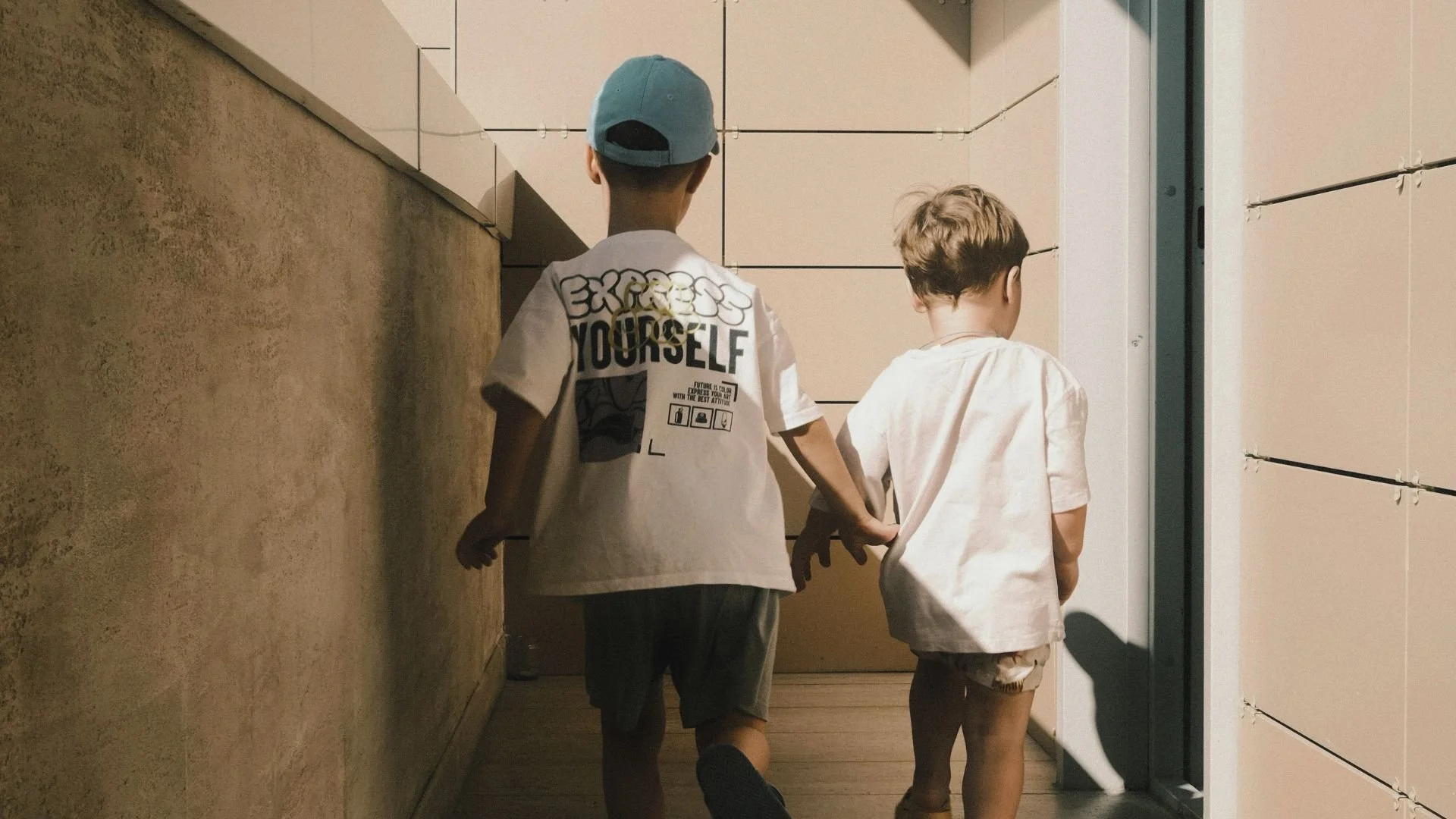
Planning days which feel calm and flexible
Once you arrive, it’s natural to want to make the most of every moment, but for many families, a slower pace leads to a far more enjoyable experience.
Over-scheduling can quickly become overwhelming, particularly for children who need time to regulate between activities. Focusing on one key activity each day, while leaving space for rest and flexibility, often creates a much calmer rhythm.
Choosing experiences that align with your child’s interests can also make a big difference. Whether it’s nature, animals, water or a specific hobby, building your days around what they naturally enjoy tends to lead to more positive, relaxed experiences. For example, if you enjoy walking and your child loves mini beasts, a gentle forest walk with a magnifying pot and plenty of time to explore under logs and leaves can turn a simple outing into something engaging and enjoyable for everyone.
Private experiences can also be a great option, allowing you to move at your own pace and step away easily if things start to feel overwhelming.
And importantly, it’s always okay to adapt your plans. Some of the most meaningful moments on holiday come from slowing down and following your child’s lead, rather than sticking rigidly to an itinerary.

A different way to think about family travel
Travelling with a neurodivergent child isn’t about trying to fit into a typical holiday mould. It’s about creating something that works for your family, and that feels supportive, flexible and enjoyable for everyone involved.
With the right preparation, a good understanding of your child’s needs, and access to the right support, travel can absolutely be possible. More than that, it can be deeply rewarding.
How can I support you?
If you’d love to travel but feel unsure about how it will work in practice, I can help you plan a trip that feels calmer, more considered and genuinely enjoyable — for both you and your child. Fill out my enquiry form to book your free discovery call - you don’t have to navigate it all on your own.

Hi, I’m Tina, your personal travel consultant.
Whether you're planning a relaxing getaway or a once-in-a-lifetime adventure, I’m here to take the stress out of travel so you can focus on making memories. With 12+ years of experience, I’m here to help you navigate the planning process, uncover hidden gems, and create a seamless itinerary tailored just for you.
Ready to plan your dream trip? Get in touch today. I’d love to help you make it happen!